
Always on the move with softshell
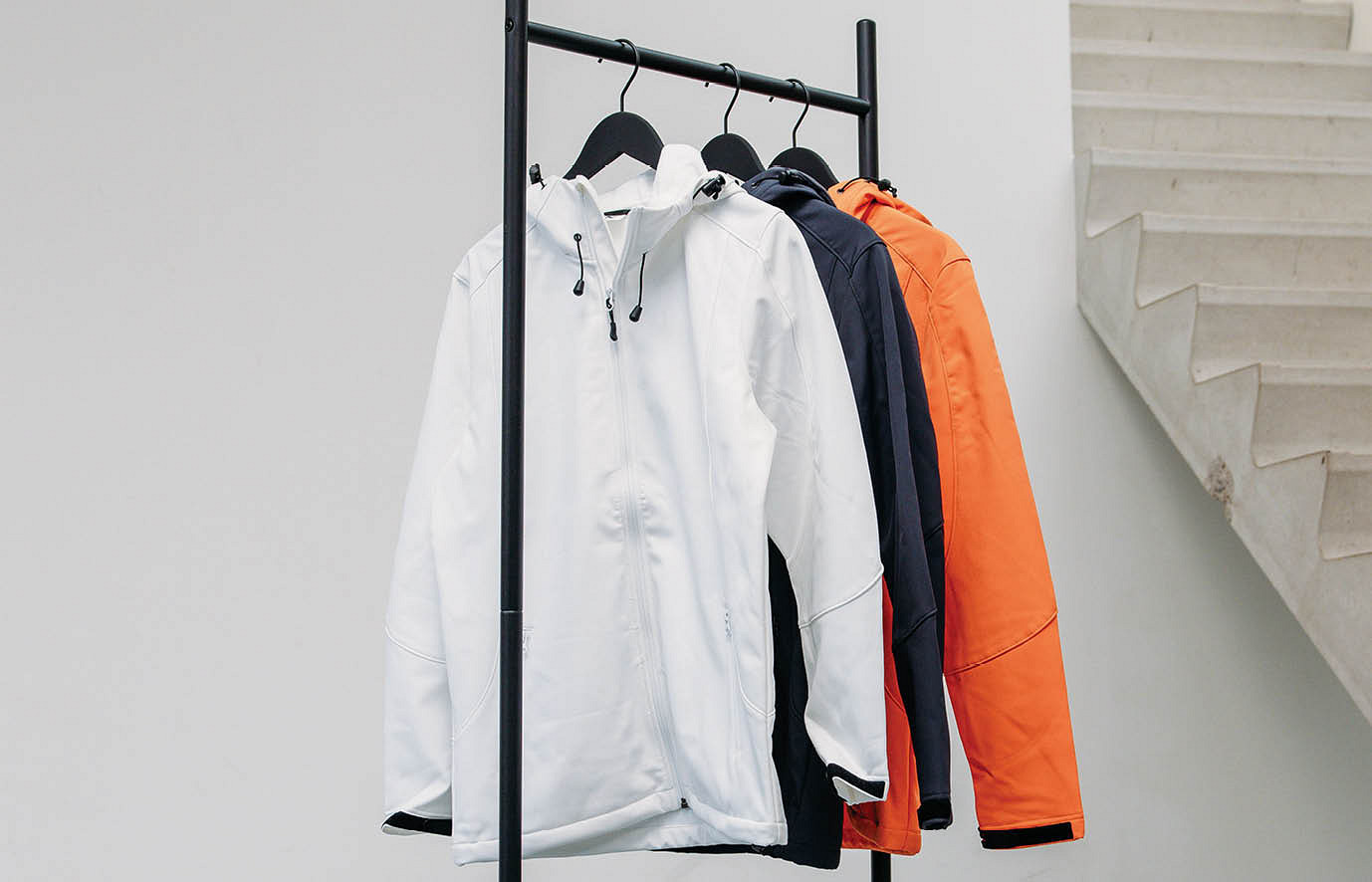
When you think of outdoor clothing, you think of softshell. Softshell is actually the improved version of the old wind jacket. It is a popular item with hiking, cycling or other outdoor activities. Its material composition makes it comfortable and light to wear. It is also suitable in all kinds of weather conditions. Softshell is made up of the words “soft” and shell and consists of three layers, but what exactly is it?
From inside to outside, softshell consists of the base layer, the insulation layer and the outer layer. Each layer has its own purpose and characteristics. All three layers together provide a degree of waterproofness. Before softshell existed, its benefits were already replicated with layers of clothing to get the same effect. With innovation and new techniques, softshell is also getting better and better, but almost always has the same characteristics, it absorbs little moisture and dries quickly, and contains lightweight but durable fibres.
Base layer
The first layer that makes contact with your skin is the base layer. Its main purpose is to prevent you from cooling down after exertion. A damp fabric on your body feels uncomfortable and increases the risk of hypothermia. Cotton absorbs sweat in the fabric and lets you cool down. Softshell stops this right. Softshell wicks away moisture, preventing you from cooling down quickly.
Insulation layer
The second and middle layer is the insulation layer, the purpose of which is to retain body heat. This is done by creating a thin layer of stagnant air around the body, so body heat does not come into direct contact with the often colder outside air. Like the base layer, the insulation layer can be made of various materials. They are mostly polyesters with upright fibres where the air stays between the fibres, such as fleece.
Outer layer
The last layer is in contact with the outside air. It protects against wind, rain and snow; it also helps remove body moisture. Waterproofing Softshell is designed to keep out moisture from outside. The fabric is most important for waterproofing, but the seams and zips are also an important element. Seams are vulnerable places for moisture to pass through. It is best to work with as few seams as possible and avoid placing them on the shoulders and upper back. Coating the seams that are there prevents leaks.Zips are also susceptible to moisture, waterproof zips can be a godsend for good shielding.
The layers of softshell offer weather and wind protection while being breathable. Three-layer softshell is usually incorporated into clothing for the upper body. The torso and neck are the most important to insulate, as they form the core of your body. In extremely cold weather, it is also useful for full-body protection, think ski suit. Convinced of the power of softshell? Check out our beautiful softshell collection, with jackets for all weather types.
-
 European production: a sustainable choice
-
 Bio-washed: The T-shirt that fits perfectly straight away
-
 Polo shirts: sporty, casual and a style classic
-
 Upgrade your showroom
-
 Be the first to know!
-
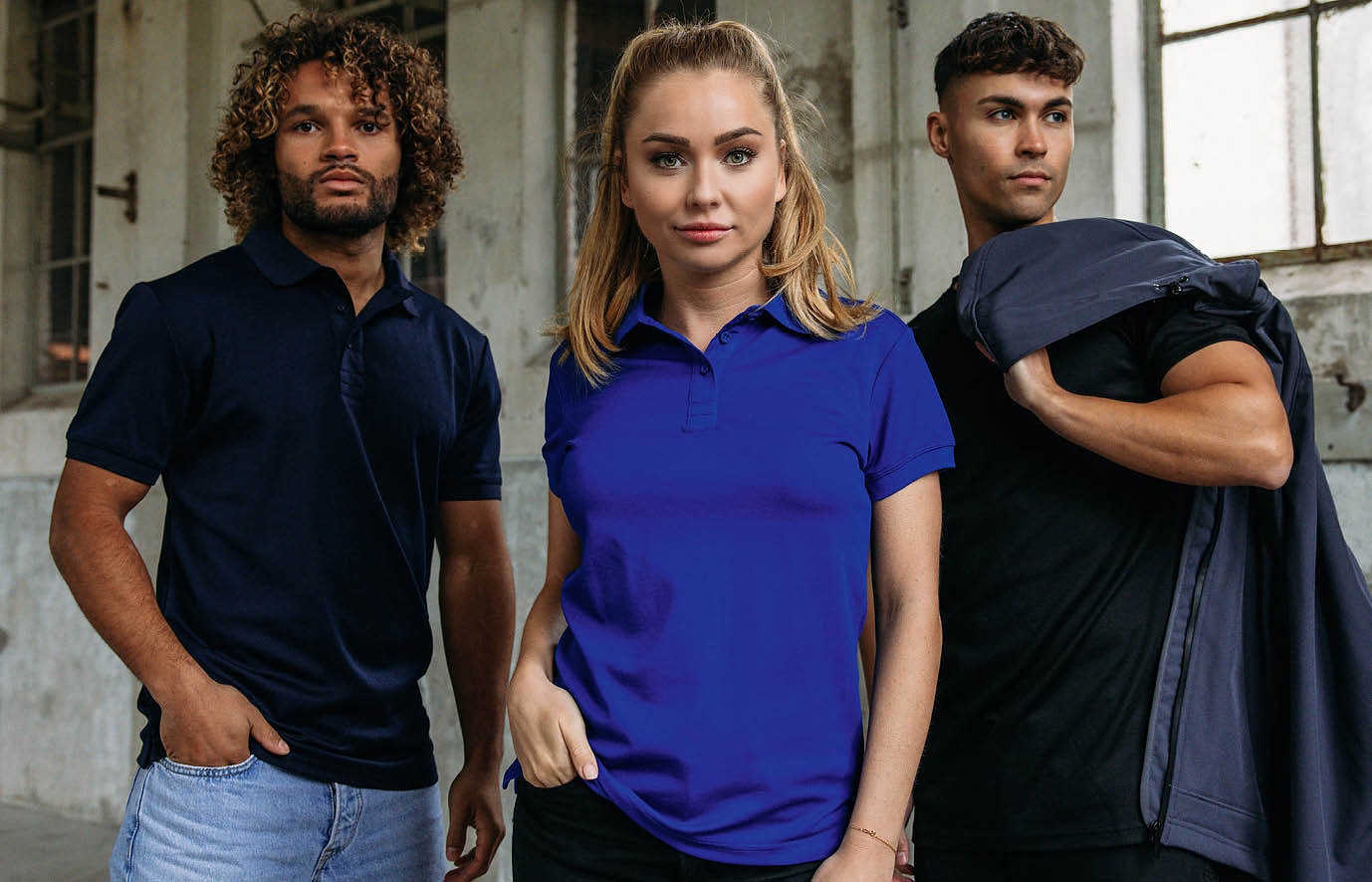 hot weather, "cool" shirt
-
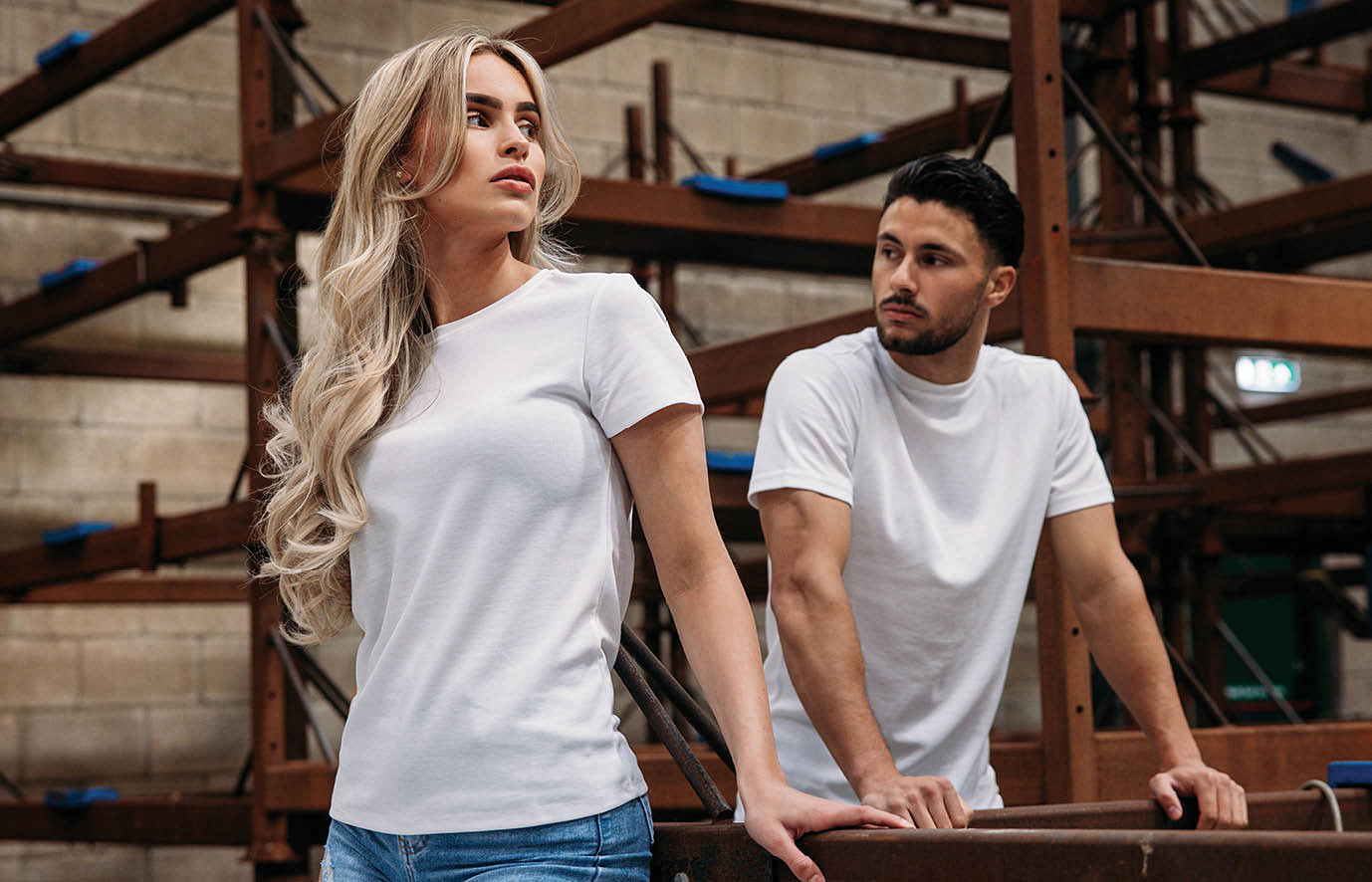 The "T" of T-shirt
-
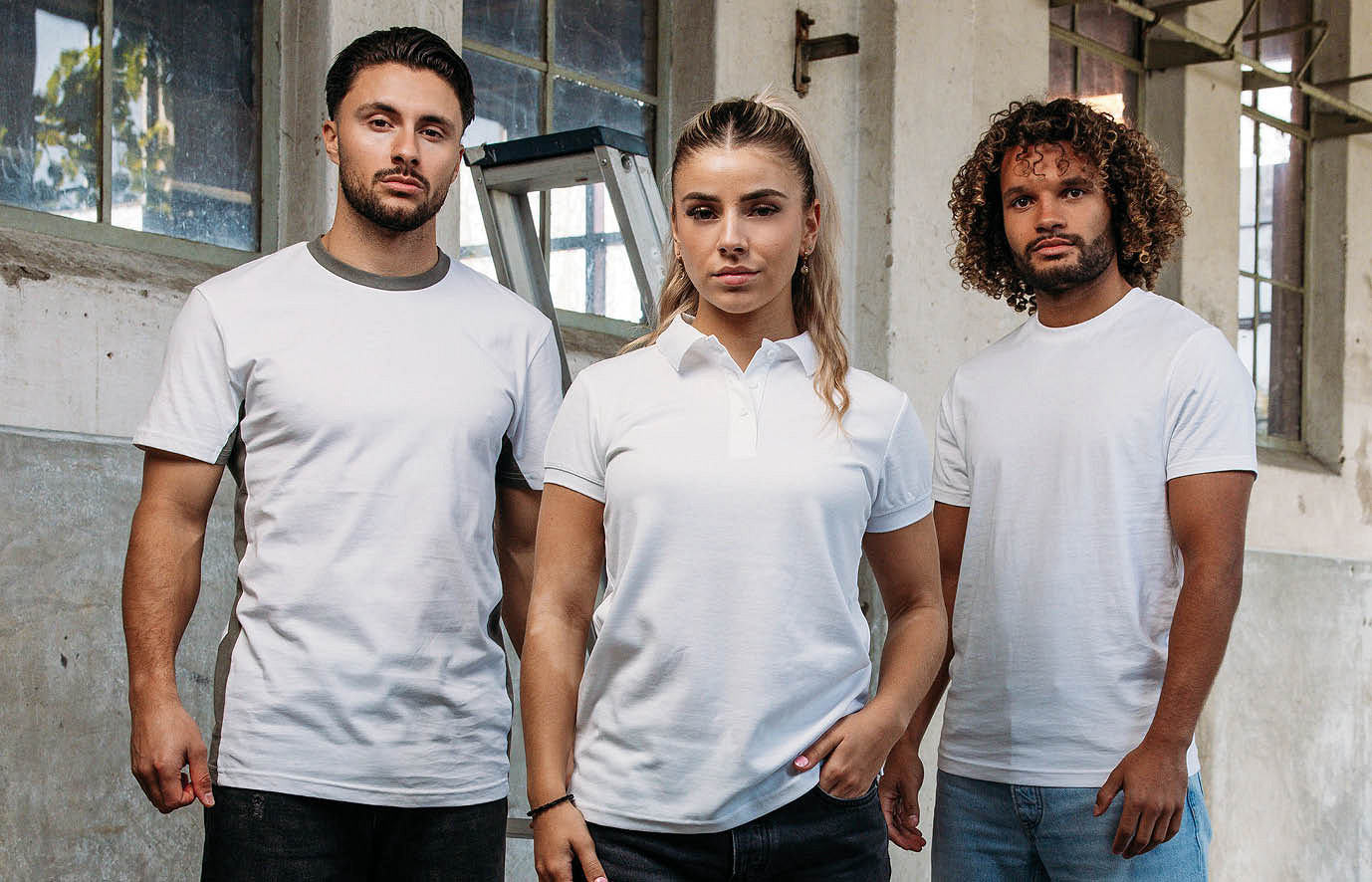 Company clothing is the perfect business card
-
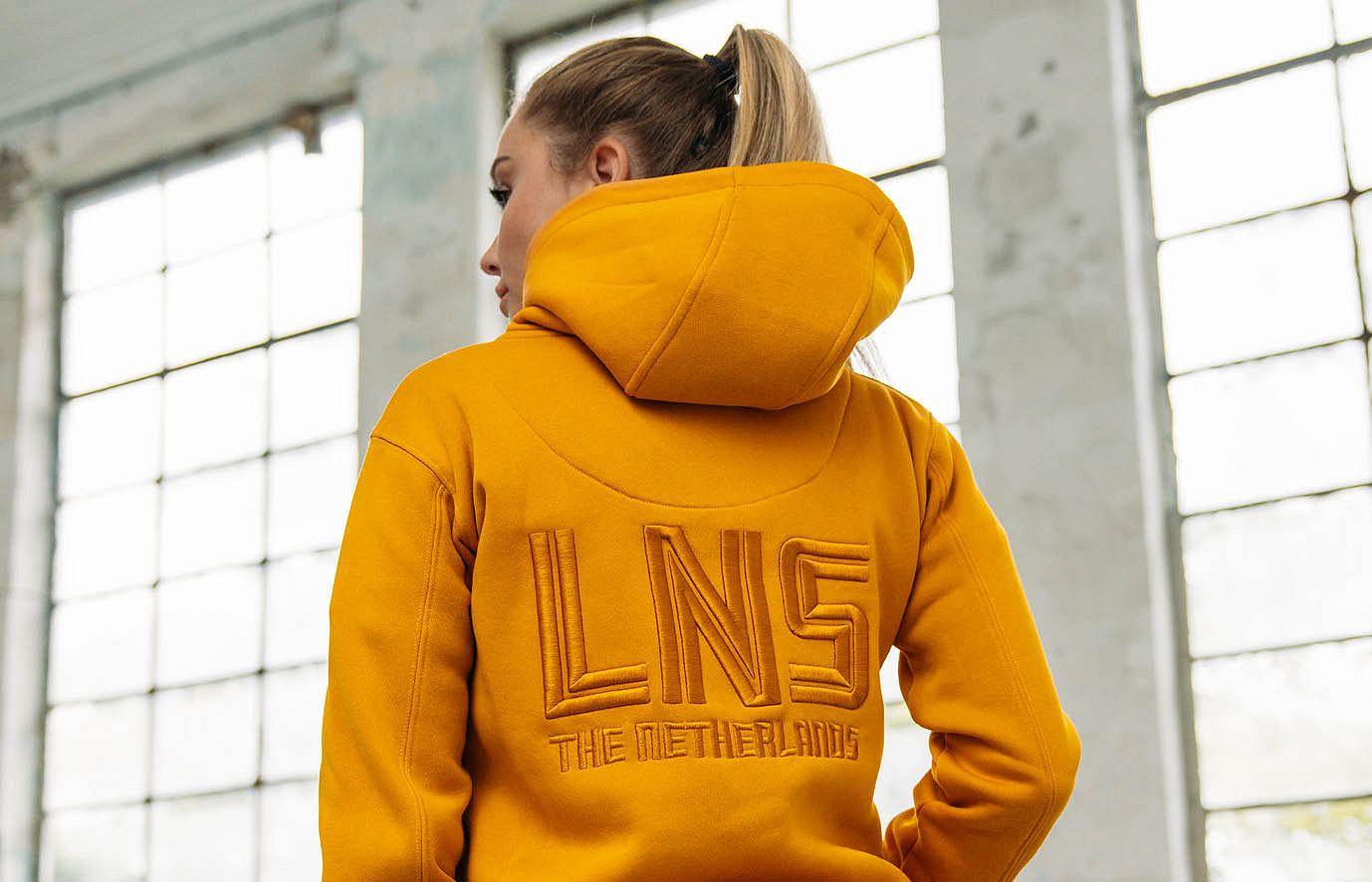 The versatility of the hoodie
-
 Combed cotton and elastane a golden combination
-
Always on the move with softshell
-
 All days Orange